
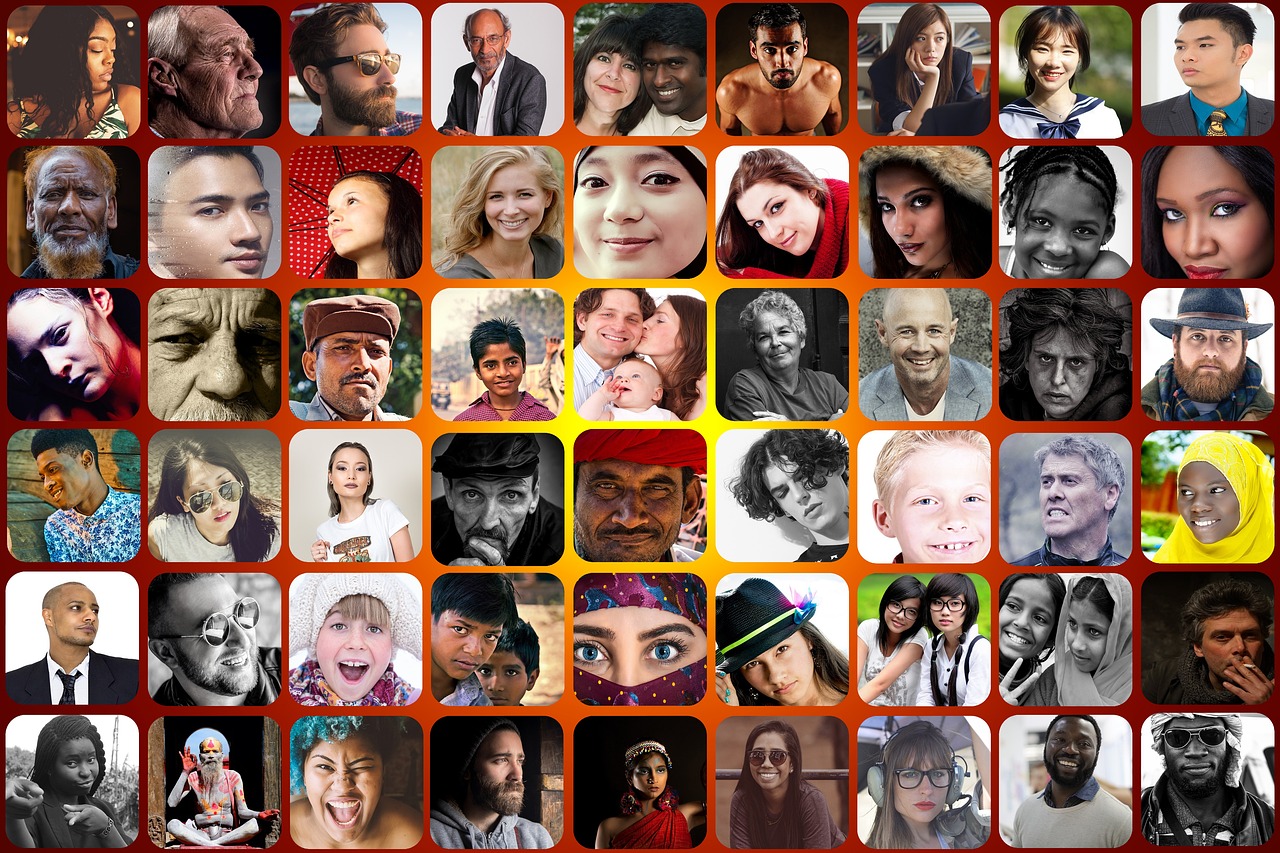
Diversity and inclusion is more than a buzzword(s) —it’s a critical component of a successful and thriving organisation. Effective managers recognise that teams are composed of individuals with varied traits, backgrounds, and working styles. Acknowledging and appreciating these differences is not just a matter of equity; it’s a strategic imperative that improves productivity, innovation, and employee satisfaction.
Here are some key differences that any manager today should be aware of:
1. Cognitive variability
Neurodiversity refers to the natural variation in how human brains function and process information. This includes autism, ADHD and dyslexia amongst others. Neurodiverse individuals bring exceptional strengths to the workplace, such as heightened attention to detail, creative problem-solving, or the ability to focus intensely on specific tasks. Neurodiverse employees may have distinctive needs. For instance, they might prefer quieter workspaces, explicit written instructions, or flexible schedules to thrive. Managers who fail to recognise these needs risk underutilising valuable talent.
2. Diverse energy
Introversion and extroversion influence how people interact with the world around them. Extroverts often thrive in social, fast-paced settings, whereas introverts may excel in solitary, reflective environments. Managers who impose a one-size-fits-all approach risk alienating team members. For example, brainstorming sessions designed as high-energy group activities may energise extroverts but overwhelm introverts, potentially stifling valuable input.
3. Cultural and Generational Diversity
Workplaces often comprise individuals from various cultural and generational backgrounds. Cultural diversity can influence communication styles, work ethics, and problem-solving approaches, while generational differences may shape perspectives on technology, feedback, and work-life balance. Misunderstandings can arise if these differences are overlooked. For example, a younger employee might value frequent feedback and technological tools, while a more experienced colleague may prioritise autonomy and traditional communication methods.
4. Learning Styles
We all absorb and process information in different ways. Some may be visual learners, while others excel through auditory or kinaesthetic methods. Recognising these differences ensures training and development initiatives are effective. A training session that relies solely on lengthy presentations may fail to engage those who learn best through hands-on activities or visual aids.
5. Emotional and Social Sensitivities
Employees vary in their emotional resilience and social sensitivities. While some may thrive in high-pressure situations, others could struggle without a supportive environment. Emotional safety directly impacts productivity and morale. A manager who creates and maintains a culture of psychological safety allows employees to voice concerns, take risks, and grow without fear of judgment.
6. Physical
Disabilities can include physical, sensory, or cognitive impairments that affect an individual’s daily functioning. These differences are not barriers to success if the workplace is designed to be inclusive and accessible. Employees with disabilities bring diverse perspectives and problem-solving approaches that can enrich the workplace. Accessibility challenges can create unnecessary obstacles for employees with disabilities. Inclusive practices benefit everyone, ensuring equal opportunities for contribution and success.
Why Understanding Workplace Differences is Crucial
When managers actively accommodate and celebrate differences, they unlock the potential for creativity, collaboration, and innovation.
Diversity and inclusive isn’t just about fairness, it’s about recognising that diversity in all its forms enriches the workplace. Investing in understanding your team is an investment in the future of your organisation. Diverse teams aren’t just a reflection of the modern world—they are the engine of progress.
