
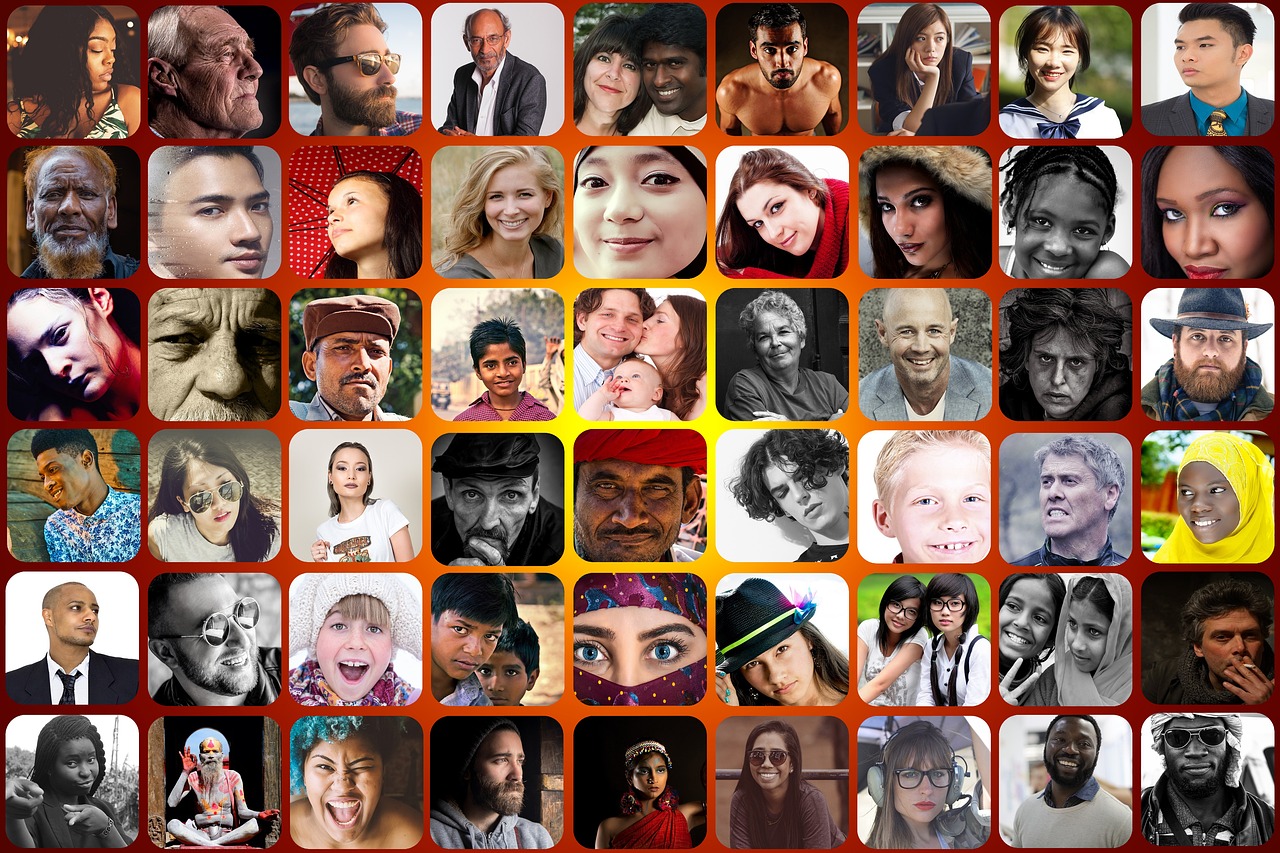
Fostering a work environment that prioritises both diversity and inclusion (D&I) and employee wellbeing has become vital. Many leaders have now recognised that when employees are happy, valued and accepted for who they are, they are productive and tend to not only stay with the organisation but become advocates for it. As progressive organisations recognise the significance of these aspects, they often appoint professionals to handle specific roles that address the unique challenges associated with each. More often than not this role falls into the realm of Human Resources.
My challenge for leaders is to recognise that D&I and wellbeing are two very different facets and although they overlap, perhaps we need to think wider about the strategic role of D&I and wellbeing both separately and together.
Diversity and Inclusion Role:
A Diversity and Inclusion professional plays a crucial role in furthering an inclusive culture that celebrates difference and ensures everyone feels valued for who they are. The primary focus is on creating a diverse workforce; acknowledging the unique perspectives that individuals representing all of society bring to the table. The role of D&I is no longer a numerical representation aiming to increase the presence of underrepresented groups, or limited to age, gender and ethnicity. The evolution of D&I reflects a journey from mere representation to a strategy that doesn’t just value difference it actively leverages it for sustained success.
One of the main challenges faced by D&I roles is the lack of representation among certain demographics within the organisation, leading to feelings of exclusion. Addressing unconscious bias is another significant issue. Individuals may unknowingly hold prejudices that affect hiring decisions, promotions, and day-to-day interactions. Ensuring that leadership and management are equipped with the skills to foster an inclusive environment is a common challenge. Leaders must be aware of their impact on the organisational culture and role model behaviours that proactively create an accepting environment for all employees.
Wellbeing Manager Role:
Wellbeing Managers are tasked with enhancing the overall health and happiness of employees. This role encompasses physical, mental, emotional and often financial wellbeing to ensure a complete approach to employee welfare.
Employee stress and burnout are prevalent in the modern workplace. High workloads, tight deadlines, and a lack of work-life balance contribute to these challenges. The stigma surrounding mental illness can deter employees from seeking help. Wellbeing Managers aim to destigmatise mental health issues and provide resources and support for those in need. Striking a balance between professional and personal life is crucial for employee wellbeing. Organisations often face challenges in creating policies and practices that support a healthy balance.
While these roles have distinct focuses, there exists an obvious overlap. The wellbeing of employees is intricately connected to the level of inclusivity within an organisation. A workplace that fosters a sense of belonging for individuals from diverse backgrounds inherently contributes to improved mental and emotional wellbeing. Likewise, a focus on employee wellbeing can enhance the inclusivity of the workplace by creating an environment where everyone feels able to disclose difference and communicate needs. For instance, wellness programs that are mindful of diverse needs and inclusive in their design not only promote physical health but also send a powerful message of acceptance. Recognising and leveraging these overlaps allows organisations to develop strategies that address the complex needs of their workforce.
Both roles are essential components of a thriving corporate environment. While D&I roles concentrate on creating an inclusive culture through representation and bias mitigation, Wellbeing Managers focus on the overall health and happiness of employees. By addressing these distinct but interconnected aspects, organisations can truly cultivate a workplace where individuals feel valued, supported, and empowered to contribute their best.
