
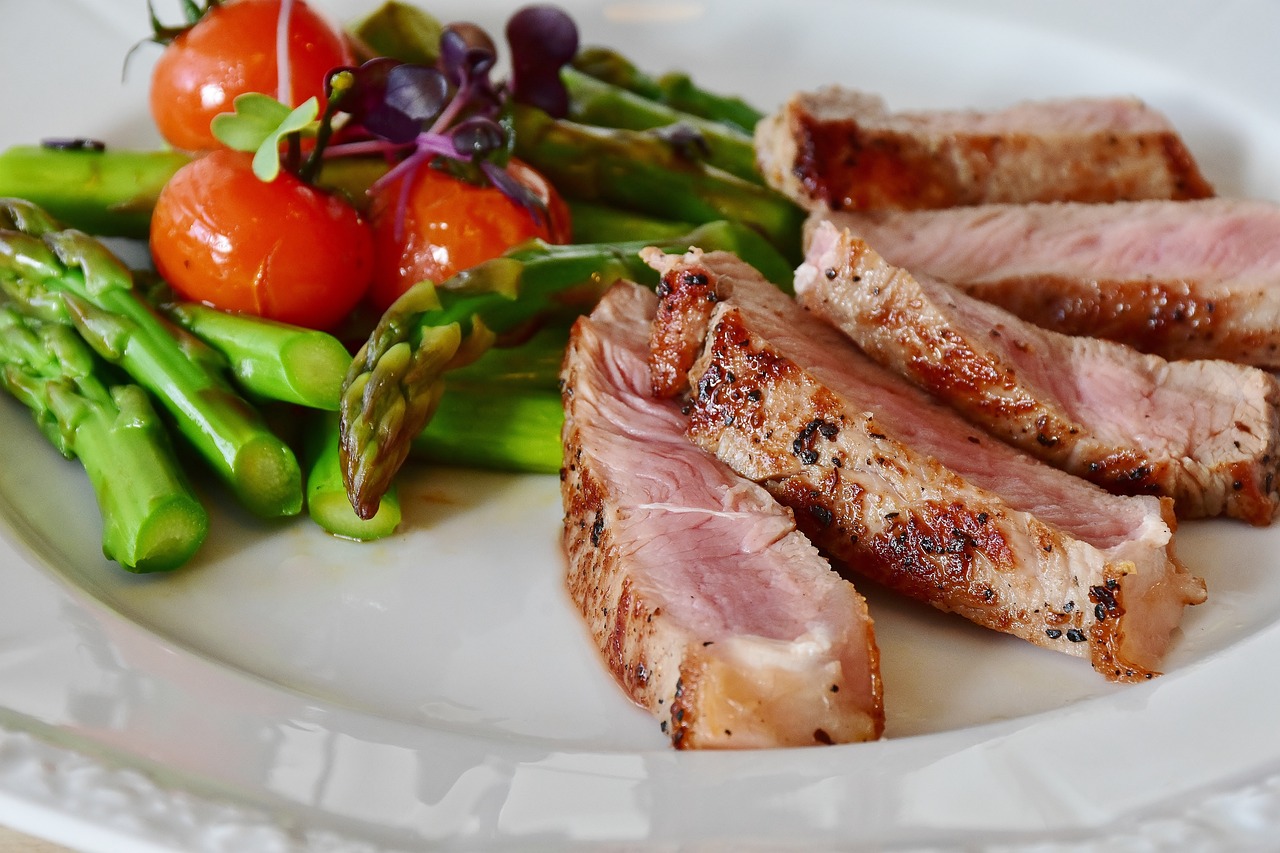
The name for consumers who are trying to reduce how much meat they are eating.
There are many suggestions that the reason for this is due to environmental and animal welfare, but is it? Or is it the fact that we believe it is a healthier option? The Guardian reports that by 2040 most of the ‘meat’ we eat will not come from animals.
Alternative meat products fall into two categories: plant-based protein and cell-based protein. In plant-based products the protein is extracted from the plant and combined with other plant-based ingredients. With cell-based products, a cell is extracted from an animal and grown in a lab culture to create meat. Cell-based products are not yet available at mass market.
The introduction of a Greggs vegetarian ‘sausage’ roll caused a bit of a stir this year. McDonalds and Burger King are now apparently in a meatless burger war, with other chains adding plant-based options to their menus.
Beyond Meat CEO, Ethan Brown wants his company to be the Amazon of the industry. He believes that with scale, he can make high-quality products available for less than that of animal protein. Quorn has of course been doing this since the 80’s. The main difference is that these new companies are targeting meat eaters and not vegetarians.
Is ‘fake’ meat better for you?
There are many arguments for and against. Some argue that ‘fake’ meat is processed and therefore full of additives i.e. not wholefoods so it can’t be better for us than say a grass-fed leg of lamb. Others say that most of the meat we actually eat is processed anyway; if we believe chicken nuggets with only 50% chicken or hot dogs with less than 50% pork is meat, then what’s the difference?
One report suggests that on calories alone, plant-based protein is healthier than animal-based meat, that makes sense. Reports say that the Impossible Whopper at Burger King is lower in calories, fat and cholesterol than the regular Whopper but the salt content is higher. Reports also suggest that cell-based protein can be engineered to contain more protein, essential amino acids and vitamins, while reducing the amount of saturated fat. T
The statistics do paint a positive picture when considering the environment aspects such as fuel emission, land use and water use. Reports suggest plant-based alternatives would be a sustainable food supply. On the flip side some argue that there are no independent assessments of these claims.
There’s no doubt it’s a “watch this space” ever evolving topic.
Credit: cnbc.com, businessinsider.com, nbcnews.com, theguardian.com
